
Which surfaces can I use Diamond Sponges on?Updated 11 days ago
TL;DR: Diamond Sponges work best on tough, hard surfaces like oven walls, grout, stone, cast iron, and stained pots. Spot test glazed tile and matte finishes first. Never use on glass, chrome, polished stainless, plastic, acrylic, or non-stick coatings.
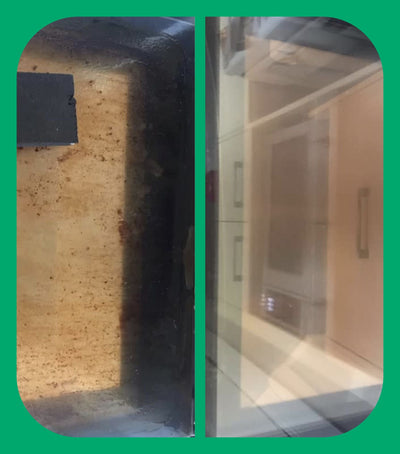
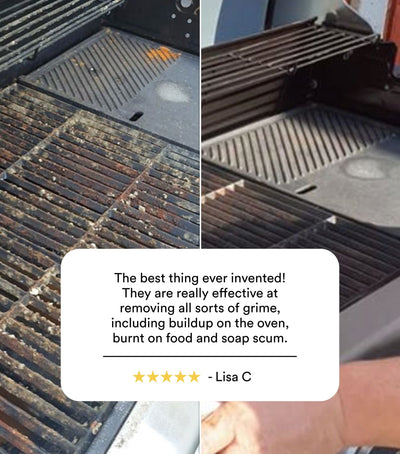
Which surfaces are Diamond Sponges suitable for?
✓ Oven and cooktop
Oven walls, racks, trays, and drip pans. Cooktop trivets, burner caps, and grates. Baked-on grease and carbonised residue. Skip the glass oven door and ceramic hobs.
✓ Tough, non-polished surfaces
Tile grout, stone pavers, and brick BBQ surrounds. Heavily stained pot interiors, cast-iron pans, and steel BBQ grates. Pair with Universal Cleaner for the lifting work.
Which surfaces need a spot test first?
⚠ Glazed tile and glossy ceramic
The abrasive coating can dull or scratch glazed ceramic tile, porcelain, and glossy finishes. Not recommended on high-gloss surfaces. If you try it, spot test a hidden area first with the lightest pressure.
⚠ Matte, unglazed and brushed metals
Hard-anodised cookware, unglazed ceramic, matte stone, and concrete can mark under firm pressure. Brushed steel and satin finishes can swirl if the abrasive runs across the grain, so work with the brush lines.
Which surfaces should I never use Diamond Sponges on?
⚠ Scratch-prone finishes
Glass, mirrors, ceramic cooktops, chrome taps, polished stainless appliance exteriors, copper pots, and brass fixtures will all scratch under the abrasive coating.
⚠ Soft and coated surfaces
Plastic, acrylic, fibreglass bath tubs, painted walls, polished timber, non-stick cookware coatings, and enamel. Soft finishes mark instantly and coatings peel.
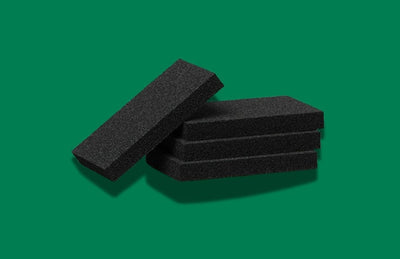
4-pack. Built for ovens and baked-on grease. High-density PU foam with a silica alumina coating.
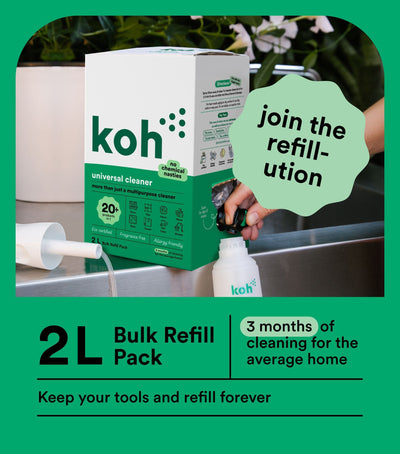
The pairing for Diamond Sponges. Spray it on, let it lift, then scrub with light pressure.

Koh Perks · earn points on every order
Members earn points on every purchase, refer a friend, and redeem for discounts. Find all the ways to save in one place.
Browse all Diamond Sponges articles
Last reviewed: July 2026 · Koh Australia